Читайте также
Читайте также
The taste of traditions: students of the preparatory department of MSTU cooked khalyuzhi and learned the secrets of making Adyghe cheese
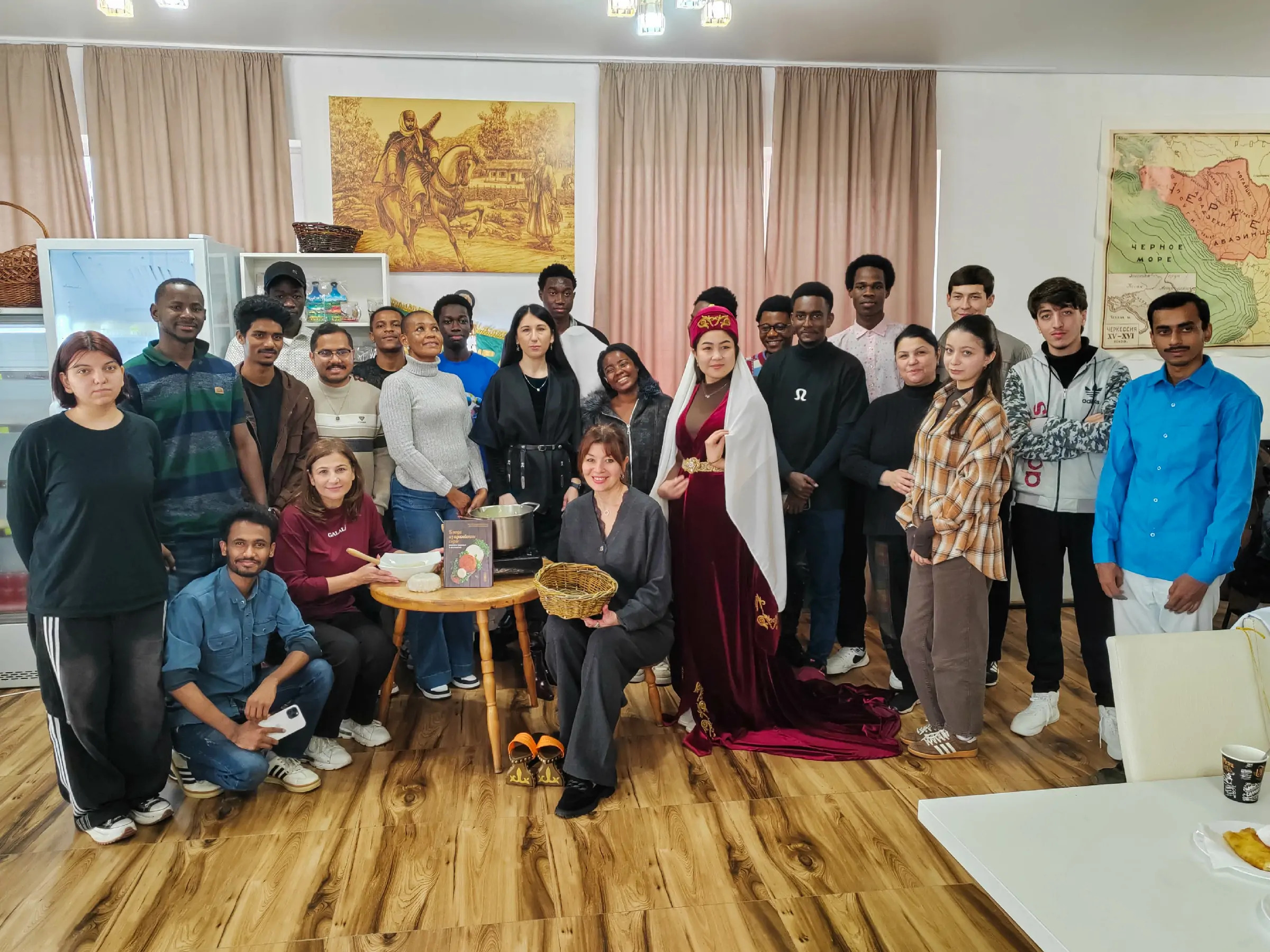
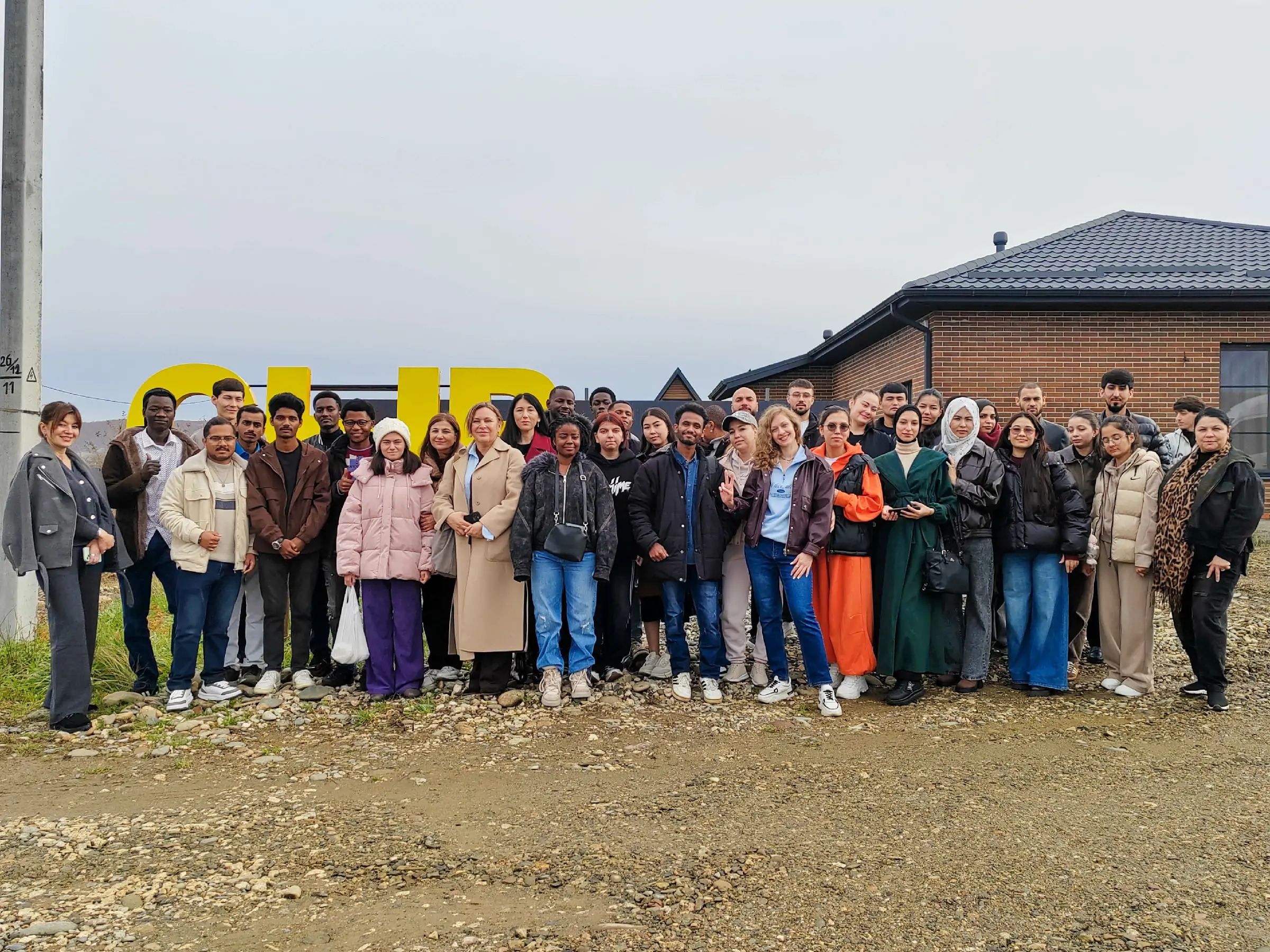
On November 20, students of the preparatory department of Maykop State Technological University visited the ethno‑cafe «Kunatskaya» in the Prichtovskiy khutor, Tulskiy district. This trip was not just an excursion for international students, but a real immersion in the culture and everyday life of Adygea - and, of course, an engaging language lesson in an informal setting.
The introduction to the traditions began, as it should, with hospitality: in a hall styled to resemble a traditional kunatskaya, the students studied everyday items, memorized new words, and immediately tried to pronounce them. But the most interesting part was yet to come - a cooking master class.
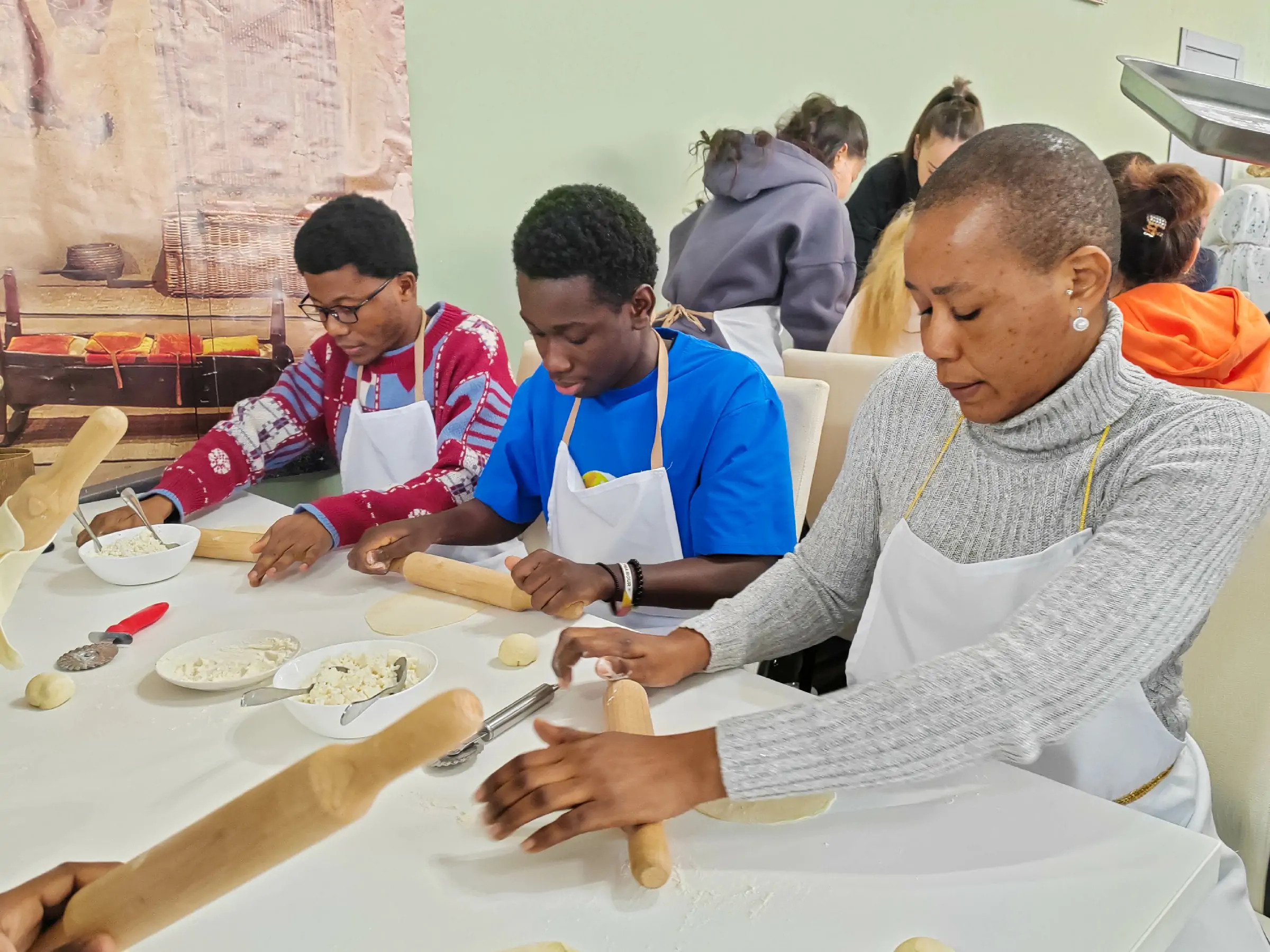
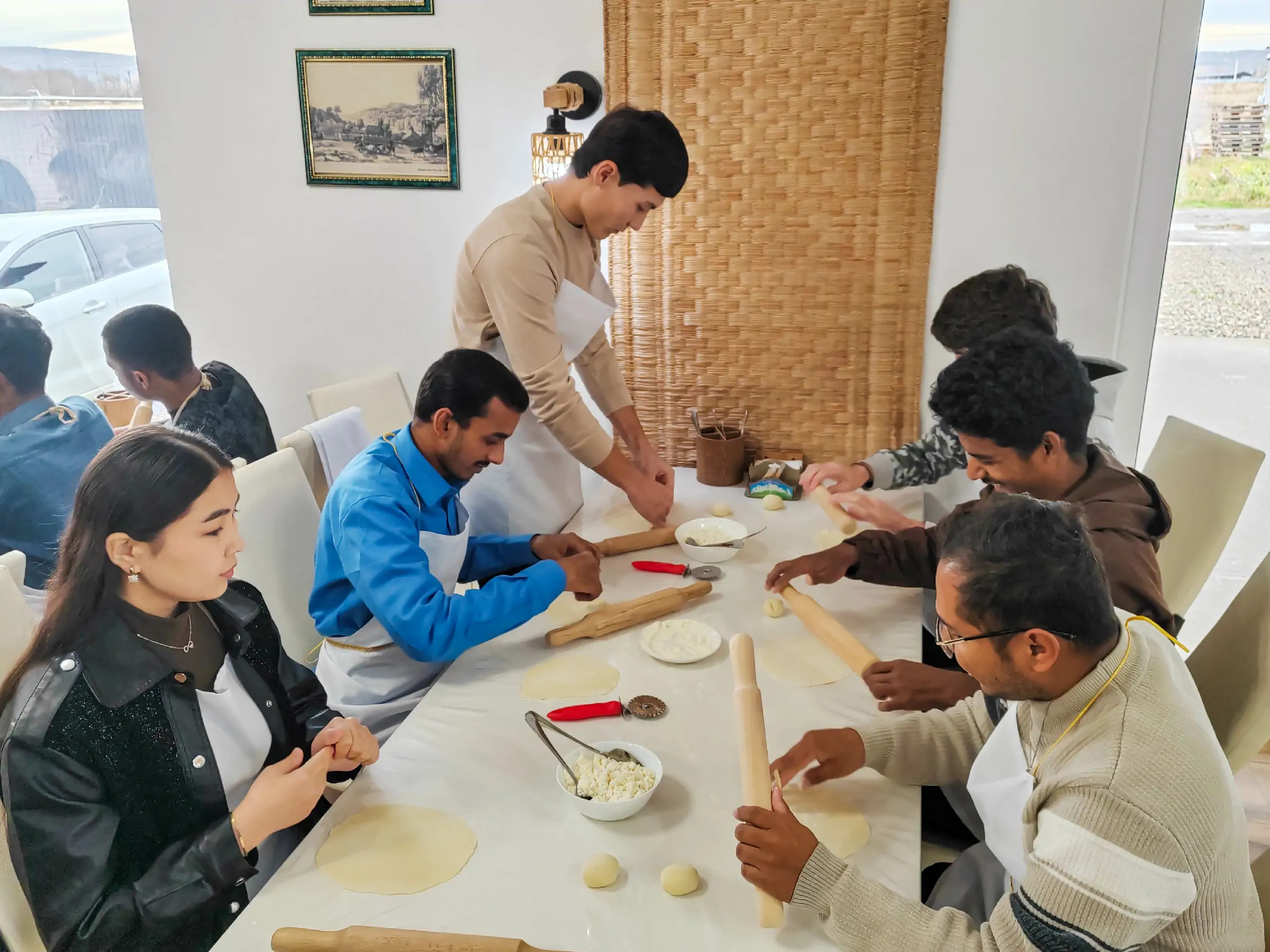
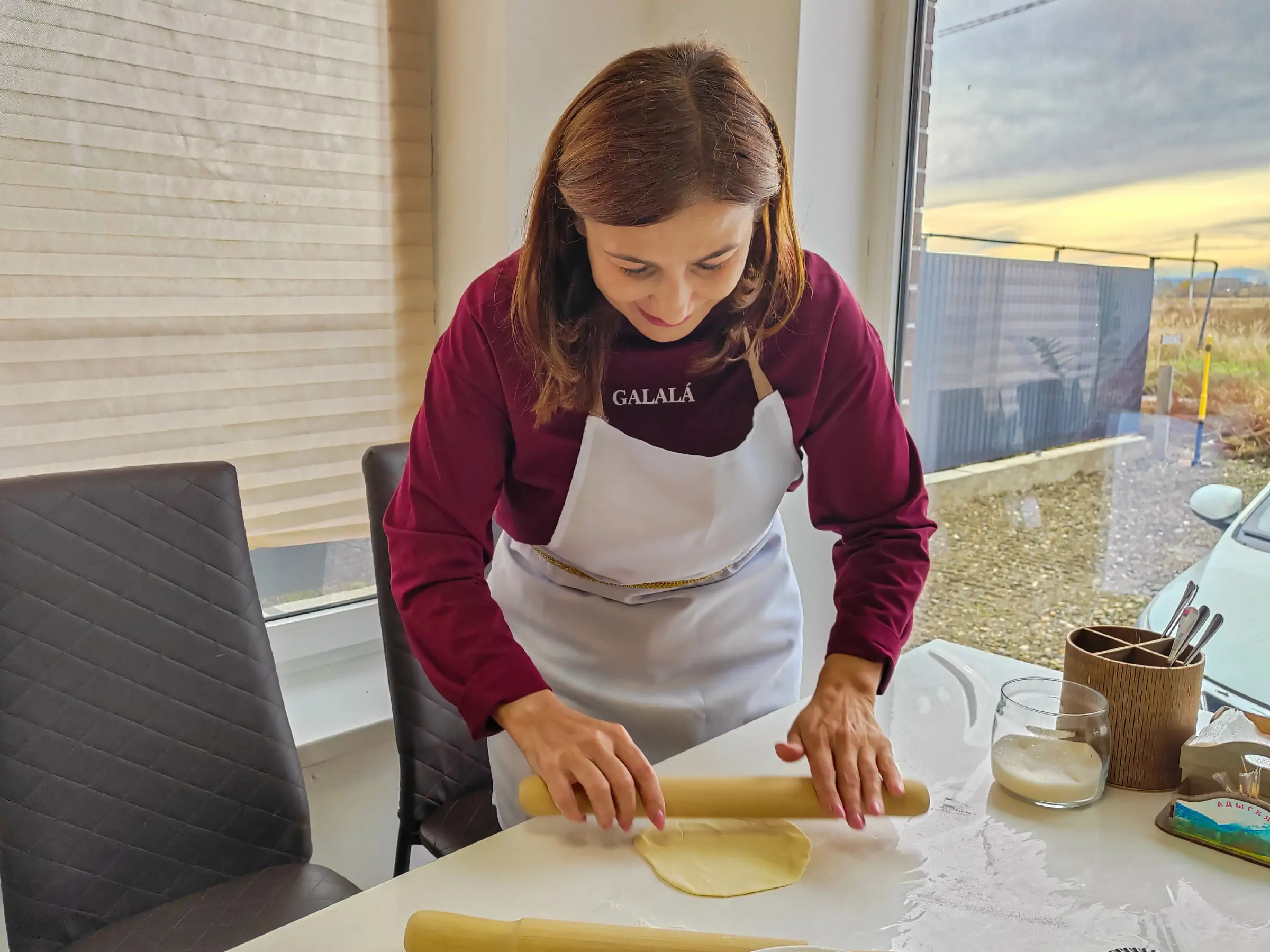
Under the attentive guidance of local masters, the students themselves prepared a traditional Adyghe dish - khalyuzhi. They learned how to roll out thin dough, carefully distribute the filling made fr om fresh Adyghe cheese, and securely seal the edges so that the cheese wouldn’t leak out during frying. During the process, the students talked a lot: they asked questions, clarified the names of the ingredients and cooking techniques, and tried to describe their steps in Russian. For many, this was their first experience of making national pastries - and it evoked a lot of emotions: from excitement to genuine joy when the khalyuzhi turned out golden and appetizing.
«At first, I couldn’t manage to seal the edges - the dough kept tearing, and I was really worried,» shares Gbamele Moaye from Côte d’Ivoire. «But the cafe owner showed everything step by step, spoke slowly, and on the third try I got it right! When my khalyuzh was fried and turned golden brown, I was so happy - it felt like I’d achieved a small victory».
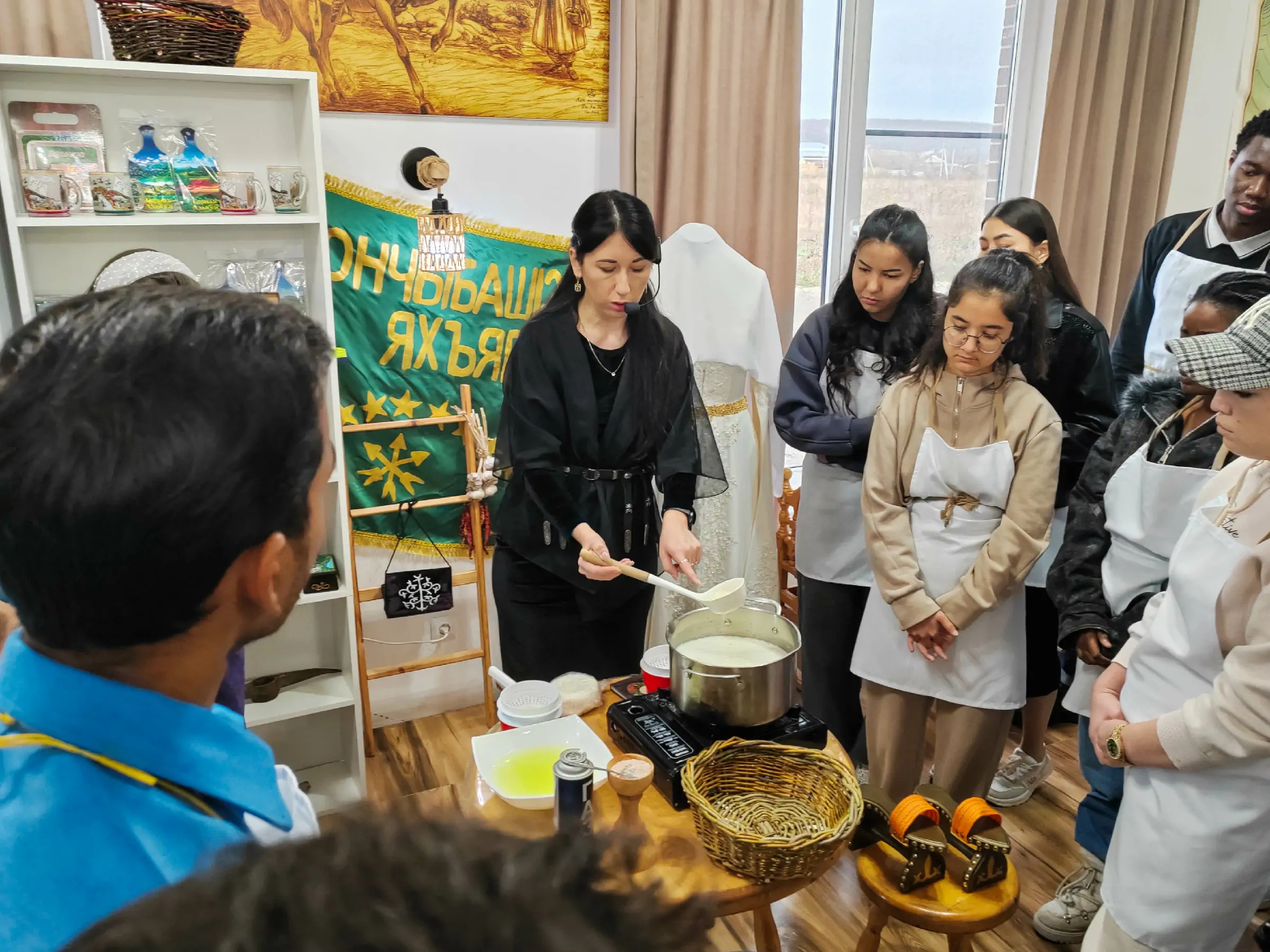
After the master class, the guests watched the process of making Adyghe cheese: they learned how milk is selected, what stages the product goes through before it reaches the table, and why this particular cheese is considered one of the symbols of the local cuisine. The story was accompanied by explanations and demonstrations, and the students actively engaged in the dialogue - they asked questions, compared the methods of cheese‑making they were familiar with, and shared their impressions.
«It was interesting for us to see how cheese is made from ordinary milk,» the students said. «We tried to remember the words: «створаживание» (curdling), «сыворотка» (whey), «прессование» (pressing). We didn’t know them before, but now we’ll understand them. And its taste is special - delicate, but with a bright note».
The meeting ended with a shared meal: everyone enjoyed trying both the homemade khalyuzhi and the fresh Adyghe cheese. The conversation at the table became more relaxed: the students shared their impressions of the taste, chose words like «crispy» (хрустящий), «tender» (нежный), and «aromatic» (ароматный), and learned to express their gastronomic experience.
The teachers noted that such trips help not only to expand vocabulary but also to overcome the language barrier: in a lively, relaxed environment, students are more willing to speak Russian, are not afraid to make mistakes, and remember new phrases faster. And most importantly, through simple, understandable activities such as kneading dough or watching cheese being made, the students begin to better understand the culture of the country wh ere they will be studying.
The organizers of the trip are confident that the combination of language practice and exposure to traditions yields the most lasting results. And perhaps some of the students in the preparatory department will want to make khalyuzhi again - this time on their own - to treat their friends and once again remember the warm day at «Kunatskaya».
из